

Bolt-Action Rifles: Pros and Cons
Bolt-action rifles hold a special place in the world of sport shooting. Recognised for their precision, reliability, and absolute shot control, they are widely used by hunters, long-range precision shooters, and tactical shooters.
In this article, we explain what a bolt-action rifle is, analyse its main pros and cons, highlight some models, and help you choose the one best suited to you.
What is a bolt-action rifle?
A bolt-action rifle operates through a manual mechanism, where the shooter cycles the bolt to load the pellet, close the chamber, and prepare the shot.
It mainly includes rifles, although pistols with this system also exist, and its defining characteristic is precisely this requirement for active shooter involvement, rather than relying on an automatic loading process.
Note that, compared to semi-automatic rifles, these models have fewer moving parts. This mechanical simplicity and shot control encourage the shooter to focus on single shots and accuracy, resulting in more precise aiming.
What are the main advantages of bolt-action rifles?
1. High precision
The solid bolt lock-up during firing reduces vibrations and unwanted movement. This allows for tighter mechanical tolerances and consistent lock-up when shooting, resulting in inherently higher accuracy, especially for long-range shots.
2. Reliability in adverse conditions
The simplicity of the mechanism makes bolt-action rifles extremely reliable in demanding environments. Dust, humidity, or extreme temperatures have less impact when compared to more complex systems.
3. Low maintenance
With a minimal number of moving parts, a bolt-action rifle is easy to clean and troubleshoot. Basic cleaning and lubrication are enough to keep it running smoothly for decades.
4. Greater shot control
The shooter controls each loading cycle, encouraging a more technical and conscious shooting approach. This is particularly advantageous for precision training and discipline, helping improve posture, breathing, and trigger control.
What are the disadvantages of bolt-action rifles?
1. Slower rate of fire
The need to manually cycle the bolt between shots significantly reduces the rate of fire. In dynamic and competitive contexts, this limitation can be a decisive factor.
2. Less fluid for beginners
For beginners, the manual loading process may feel less intuitive or slower when compared to other, easier-to-operate systems.
3. Require more technique and concentration
The high level of control also implies greater technical demands. These rifles reward careful shooters but do not easily forgive mistakes in posture or handling.
4. Less suitable for fast recreational shooting
If your main goal is informal, fast, and relaxed shooting, other systems may offer a more immediate and enjoyable experience.
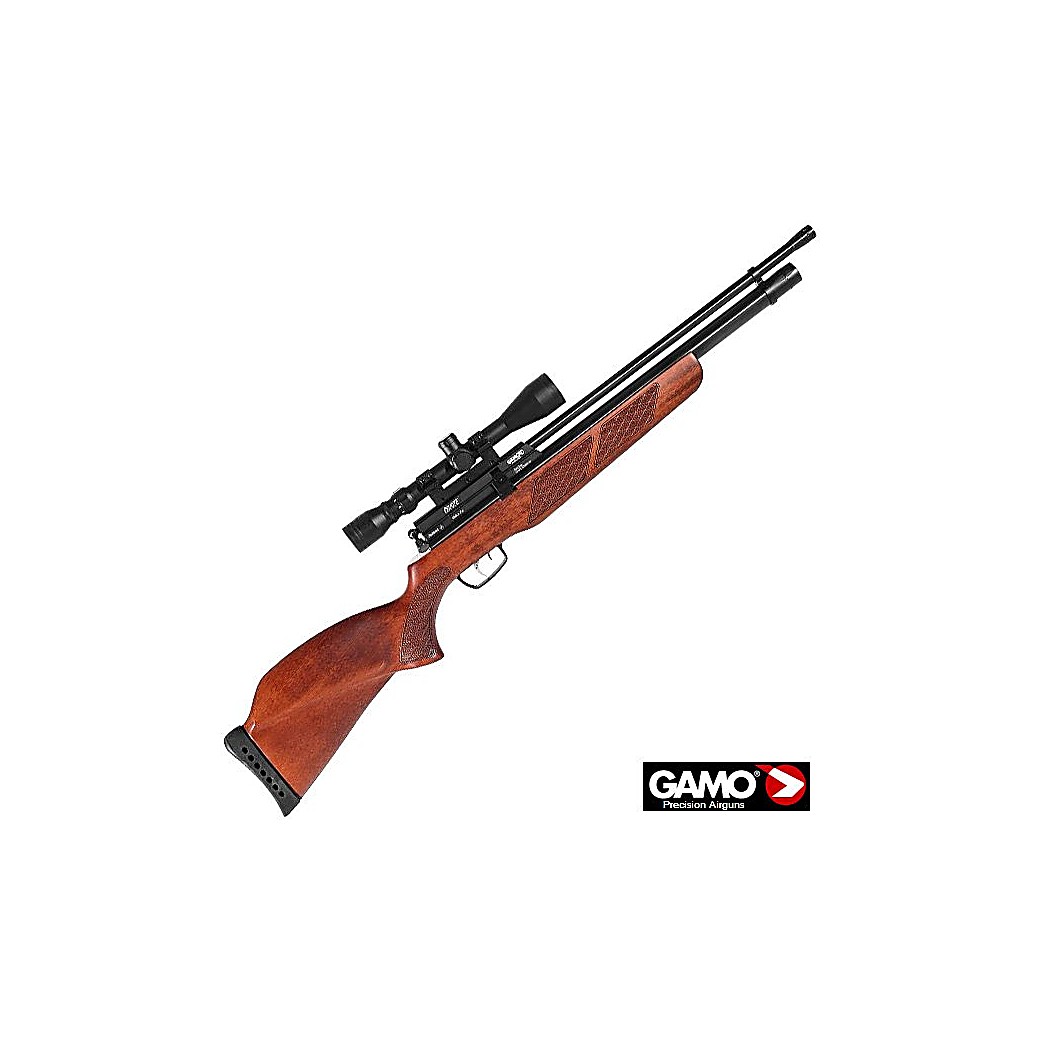
Gamo Coyote PCP Rifle
A perfect combination of excellent build quality, precision, power, and great value for money.
The multi-shot magazine combined with its free-floating barrel adds significant value to this rifle. Available in < 24 Joules, calibre 4.50mm (320 m/s) and 5.50mm (265 m/s).
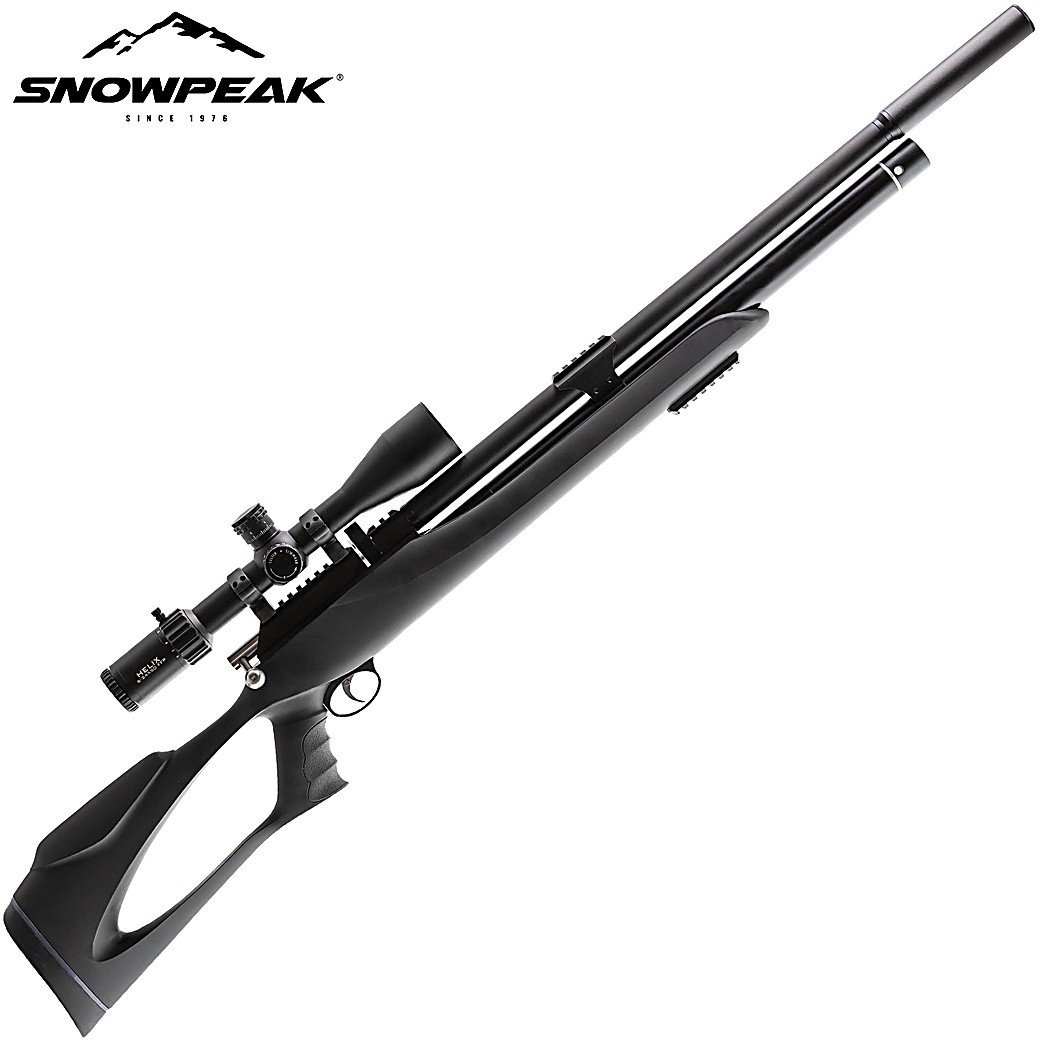
PCP Rifle SNOWPEAK ARTEMIS M25
A robust tactical rifle, distinguished by its unique thumbhole design, smooth operation, and integrated sound moderator, ensuring a quieter shot.
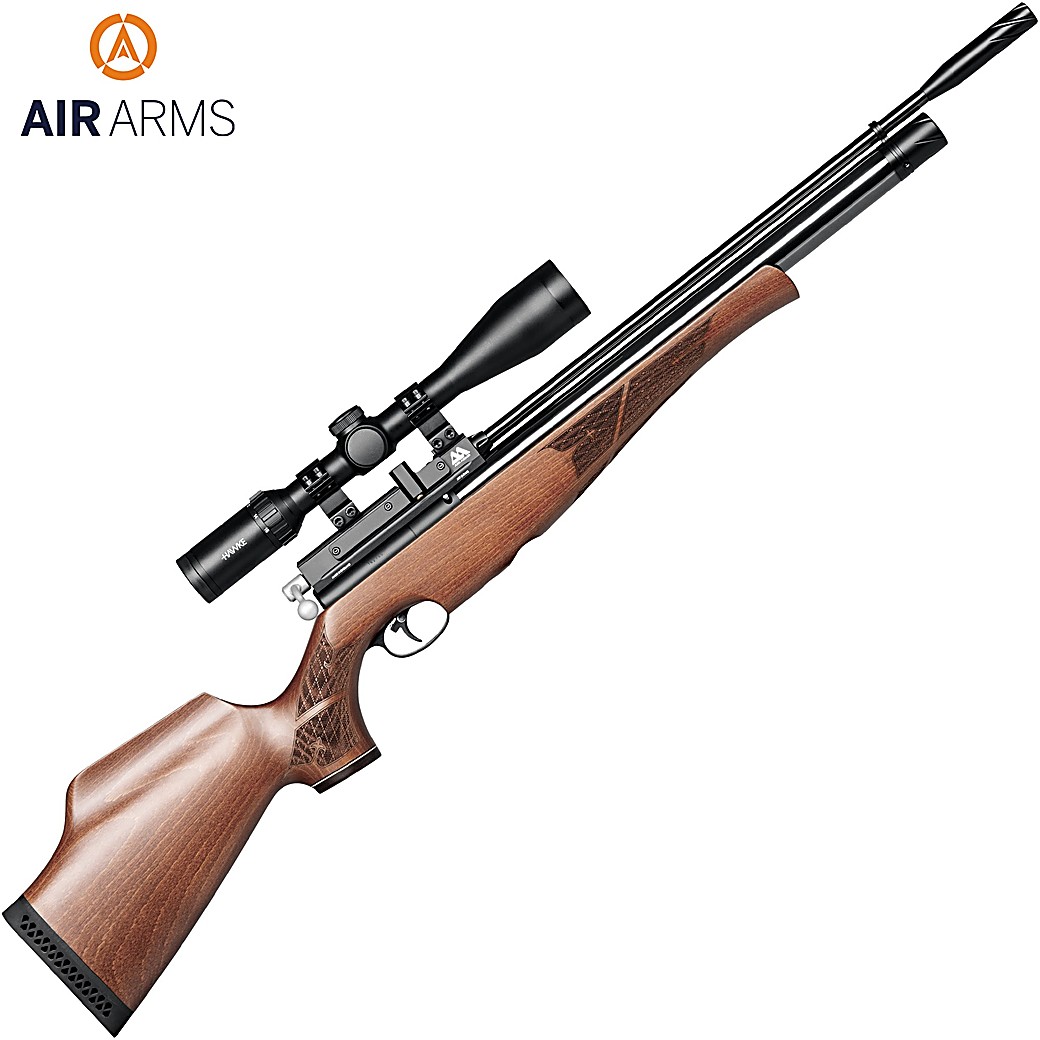
Air Arms S410 Beech Classic Rifle
A benchmark in Field Target and precision shooting, combining light weight, classic finish, and outstanding shot consistency.
Features an upgraded 10-shot multi-shot magazine compared to lower-end models.
Is it worth choosing a bolt-action rifle?
It always depends on your profile as a shooter.
If you are just starting out, other systems may offer a more accessible experience. If you already have experience and are looking to improve your precision, discipline, and control, a bolt-action rifle can be an excellent choice.
In our Mundilar online store, you will find a wide selection of bolt-action rifles, among other equipment.
If you still have questions about which shooting equipment to choose, we can help. Contact us via email at: [email protected] to speed up the process.
 Artigos Relacionados: